

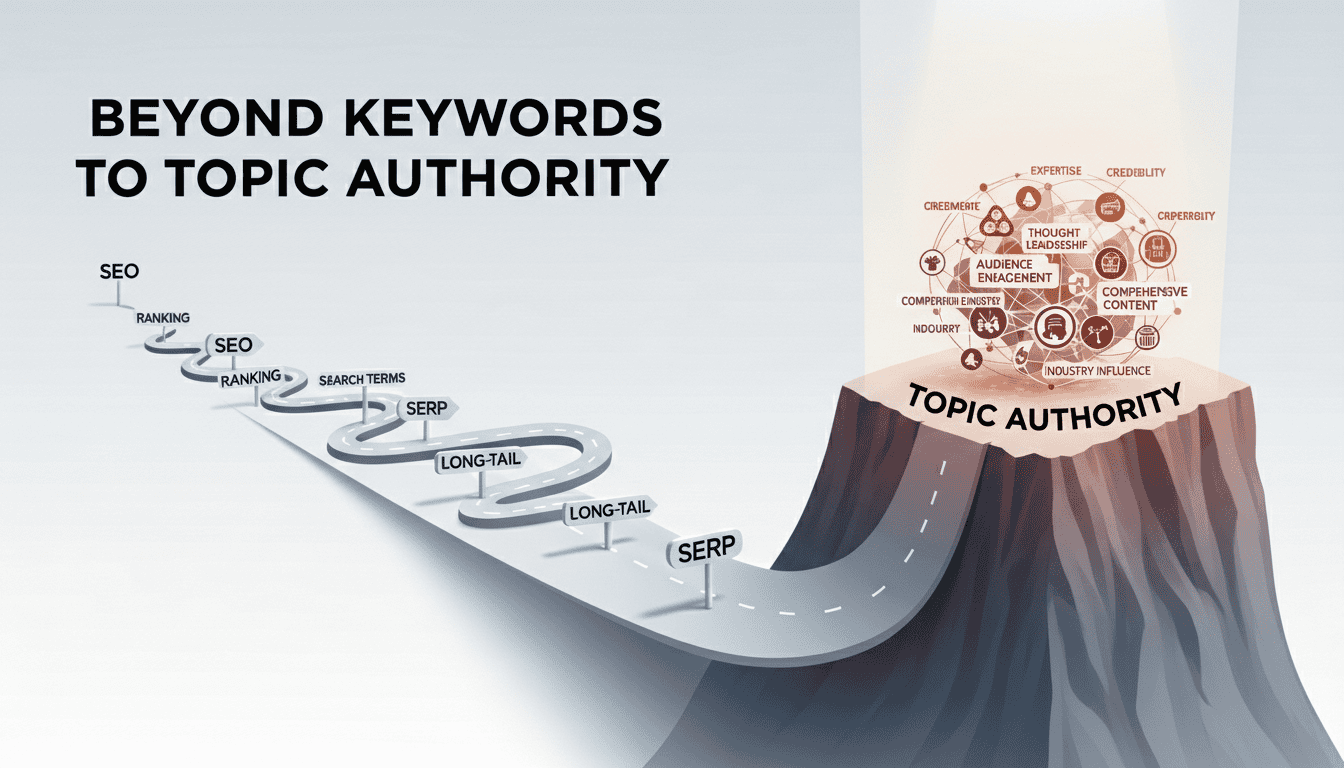
In the early days of search, SEO was about stuffing exact keywords onto a page.
But as detailed in How Does Google Work?, Google has evolved from exact-match keywords to “entities” and topic clusters.
Thanks to updates like Google Hummingbird, the search engine now understands the meaning behind words, not just the characters. This is a paradigm shift to “Semantic SEO.”
What is Semantic SEO?
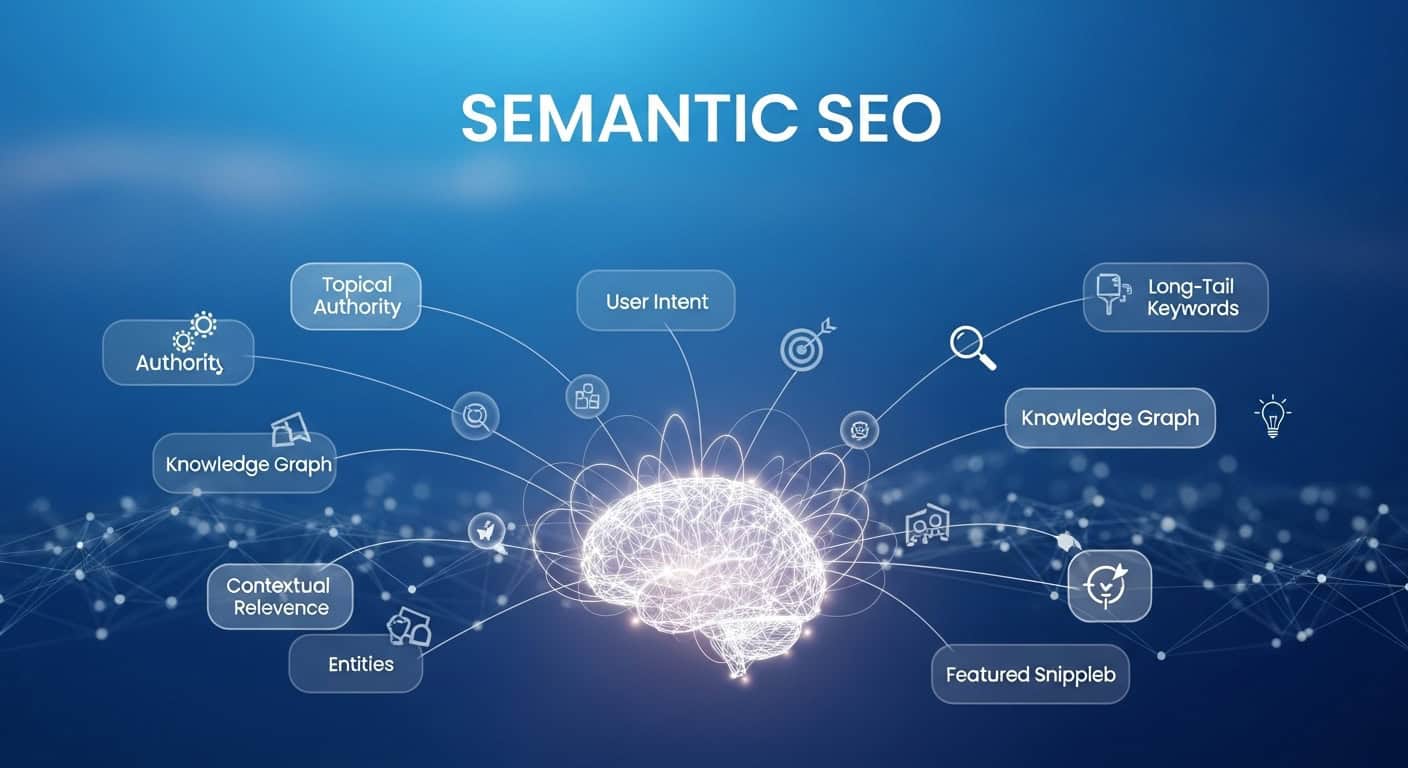
Google now looks at “entities“—people, places, things, or concepts—and how they relate to one another.
It doesn’t just look for the string “pizza Virginia Beach”; it understands that “pizza” is a food, and “Virginia Beach” is a location, and it looks for the relationship between them on your site.
Building Topic Authority with Pillar Pages
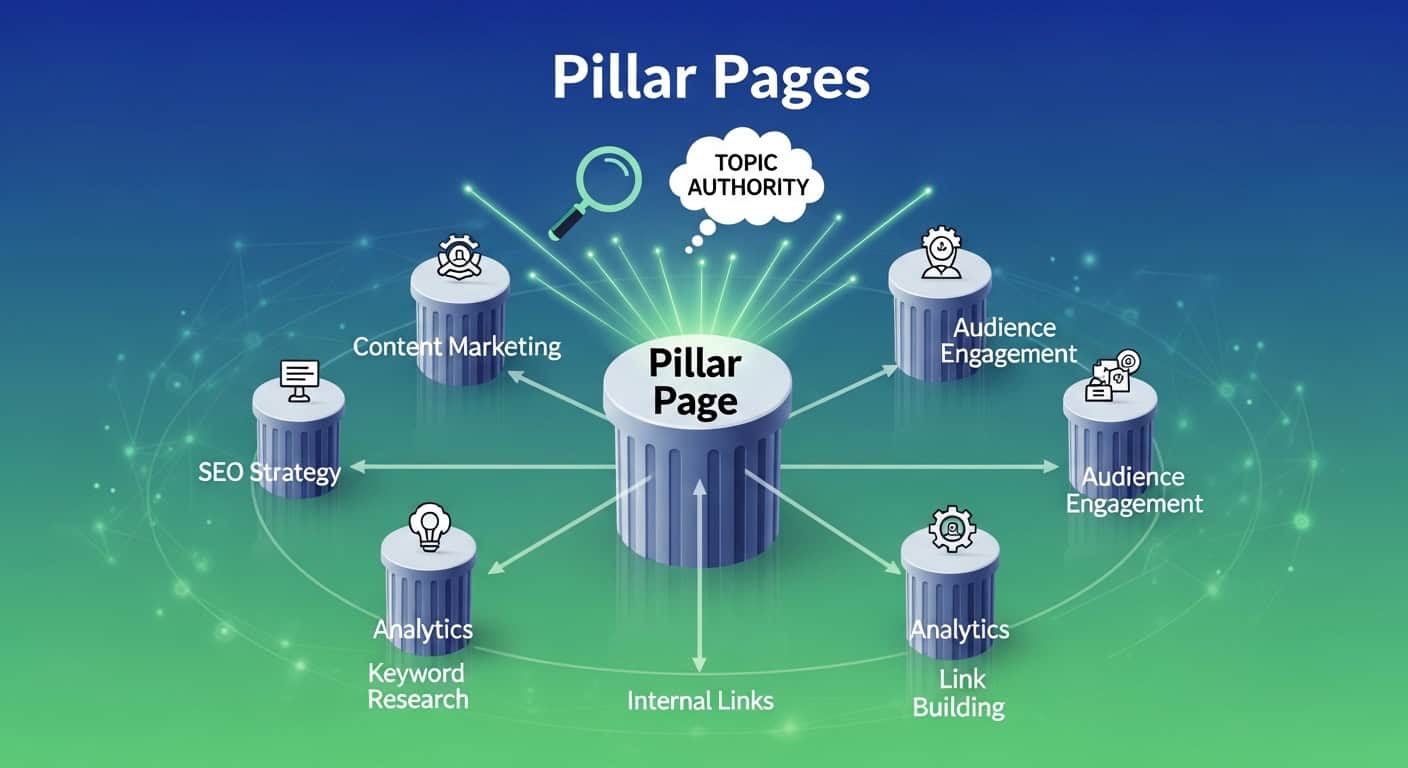
To prove you are an expert, you can’t just have one blog post on a subject. You need to cover the entire topic comprehensively.
Introducing the “Pillar Page and Cluster Content” model
- The Pillar Page: A long, comprehensive guide covering a broad topic at a high level (e.g., “Cost-Effective ADA Compliance for Websites“).
- Cluster Content: Shorter, specific articles linking back to the pillar (e.g., “How to do keyword research, “ADA Compliance for Websites“).
The Importance of Internal Linking Strategy
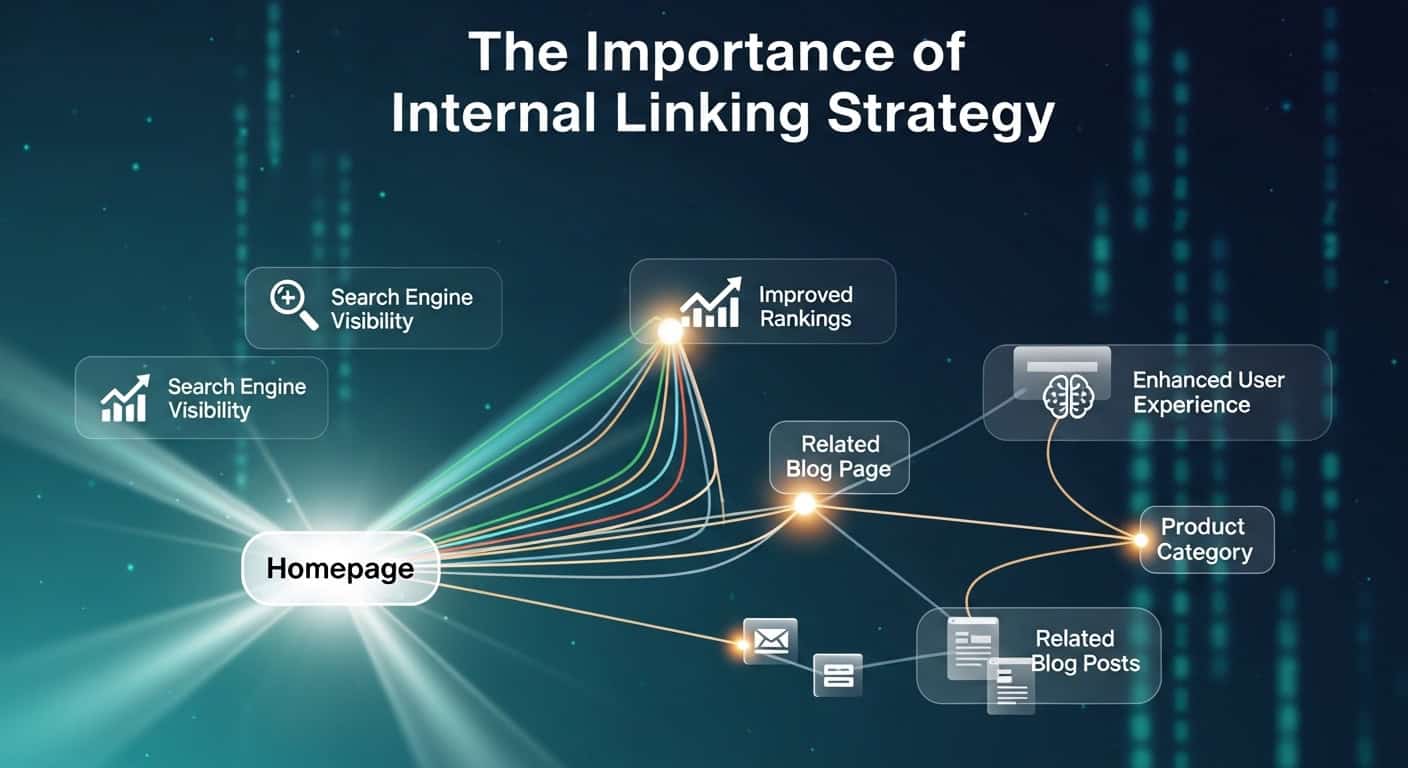
Internal linking expands on the concept of “descriptive linking” mentioned in How to Talk to Google.
Internal links are the neural pathways of your website.
The links on your web page(s) show Google exactly how your cluster pages relate to your pillar page, solidifying your authority on the main topic.
Read: Ahrefs’ guide on Topic Clusters as the definitive resource on structuring this content.
Writing for Context, Not Just Keywords

Instead of worrying about keyword density, worry about covering sub-topics.
For instance, if you are writing about “coffee,” semantic SEO means you naturally also discuss “beans,” “brewing methods,” “roast types,” and “caffeine.”
Google expects these related concepts to appear together.
Semantic SEO is about depth and breadth.
By organizing your content around full topics rather than isolated keywords, you show Google you are the go-to authority in your niche.
TIP: Develop a main “pillar” page covering a broad topic, then write in-depth “cluster” articles for specific subtopics, linking them together to show comprehensive knowledge.