

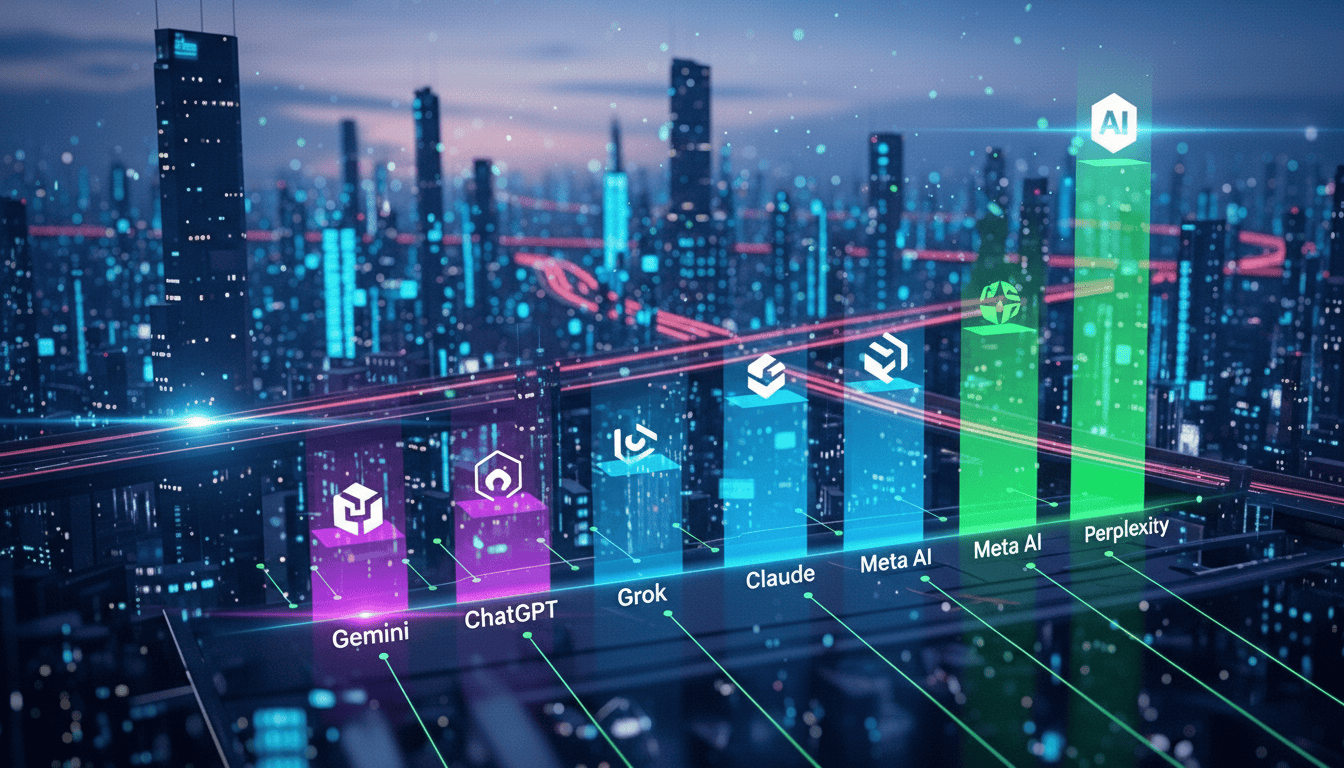
The traditional model of “clicking a link” is being challenged by a new reality: AI- and LLM-powered search.
According to VISIONEFX and expert Rick Vidallon, the rise of Large Language Models (LLMs) like ChatGPT, Gemini, and Perplexity is fundamentally changing how users discover information—often resulting in “Zero Click Searches” where the answer is provided directly within the chat interface.
To stay visible, businesses must transition from traditional SEO to Generative Engine Optimization (GEO) and a “Search Everywhere” mindset, fostering trust in new strategies and, for example, moving beyond keywords to topic authority.
1. Understanding the Shift: From Lexical to Semantic Search
Traditional search relied heavily on keywords, meta-tags, and backlinks—a method known as Lexical search. See Lexical Analysis.
However, modern AI agents leverage advanced engineering concepts such as vector embeddings, semantic search, and retrieval-augmented generation (RAG) to understand the context behind a query.
- AI vs. Crawlers: Unlike traditional search engine crawlers that systematically index the web, AI search agents often rely on training data or pull information from the internet in real time when a user prompt requires accuracy and freshness.
- The Goal: It is no longer just about being #1 on a page; it is about being the brand that the AI mentions and cites in its generated responses.
2. Implement “Search Everywhere Optimization.”
Rick Vidallon emphasizes that as AI Search replaces traditional Google search, the future of visibility is no longer just about a single website—it is about people finding you everywhere.
- Multi-Platform Presence: Be active where users scroll. This includes YouTube, TikTok, and Facebook Reels.
- Niche Directories: Use platforms like Nextdoor and Alignable to foster local connections.
- Consistent Branding: Building familiarity across multiple channels makes your brand “easy to choose” when an AI model synthesizes information from diverse sources.
3. Technical Readiness for AI Agents
To ensure AI models can find and “read” your site efficiently, specific technical adjustments are necessary:
- LLM-Friendly Content: Consider adding an .llms. . txt markdown file to your website. This provides brief background information and links to detailed Markdown files formatted explicitly for AI assistants.
- APIs: Utilize embeddable APIs or plugins that allow AI assistants to query your data directly rather than manually browsing your site.
- Speed and Security: AI-driven search still values a healthy foundation. Ensure your site has strong protection against hackers, maintain it, and establish clear metrics to measure the success of these AI-friendly SEO efforts for lightning-fast performance.
4. Content Strategy: Authority Over Automation.
While it is tempting to use AI to generate large volumes of content, VISIONEFX warns against posting AI-generated content without human oversight.
- Topical Authority: Create interlinked “content clusters” that help search engines and AI models recognize your expertise on specific topics.
- User Intent: Structure your content to answer the three common types of search intent: Informational, Commercial, and Navigational.
- The Human Touch: AI-generated content often lacks the creative and strategic touch needed to resonate with readers and can even result in copyright or SEO penalties. Be aware of potential challenges, such as content duplication or algorithm updates, that may impact your strategy.
5. Managing Your Digital Reputation
AI models often rely on Google Business Profile reviews and brand mentions to determine which businesses are reputable.
- Active Monitoring: Higher engagement and positive reviews increase the likelihood that an AI agent will recommend your services.
- Citations: Ensure your business name, address, and phone number (NAP) are consistent across all web mentions to help AI link different data points back to your brand.
30-Day “Search Everywhere” Content Plan
This schedule focuses on creating “content clusters” that link your social media efforts back to your core website authority.
1: Establish Authority (Days 1–10)
- The “Core” Post: Publish one long-form blog post on your website addressing a significant pain point in your industry.
- Social “Nuggets”: Take three key points from that blog and create 30-second videos (Reels/TikToks) explaining them.
- GMB Update: Post one original photo of your team or storefront to your Google Business Profile with a caption about your mission.
2: Engagement & Social Proof (Days 11–20)
- Review Spotlight: Create a graphic featuring one of your 5-star reviews and post it to Facebook and Instagram. Tag the location.
- Community Connection: Join a conversation on Nextdoor or Alignable. Offer professional advice without a hard sales pitch to build trust.
- The “Behind the Scenes”: Post a video of your process. People trust businesses they can see “in action.”
3: AI & Search Optimization (Days 21–30)
- Q&A Series: Identify 5 common questions customers ask. Create a “FAQ” page on your site and post the answers as individual “Question of the Day” posts on X (Twitter) and LinkedIn.
- Directory Audit: Ensure your NAP (Name, Address, Phone) is identical on Yelp, Merchant Circle, and your website.
- Video CTA: Post a YouTube Short summarizing your best-performing tip of the month, directing users to a specific landing page on your site.
Key Reminders for Local SEO Success
- Consistency is King: AI models look for patterns. Posting regularly across different platforms signals to search engines that you are an active, reliable business.
- The “WOW” Factor: Use high-quality visuals. As VISIONEFX notes, we have a few seconds to capture a visitor’s attention.
Interlink Everything: Always link your social posts back to your website, and vice versa, to create a “web” of authority.
People Also Ask
Understanding AI Search
- What is the difference between traditional SEO and AI Optimization? Traditional SEO focuses on keywords and link ranking. In contrast, AI Optimization (GEO) focuses on making your content understandable and “citeable” to Large Language Models (LLMs) like ChatGPT, Gemini, and Perplexity.
- What is an “Answer Engine”? Answer Engines are AI platforms that provide direct answers to user queries rather than a list of links. The goal is to ensure your site is the primary source the AI uses to generate that answer.
- What does “Machine Experience” (MX) mean? Machine Experience involves building a website structure that AI “crawlers” can easily parse and understand, moving beyond just the human user experience.
- What is a “Zero-Click Search”? A Zero-Click Search occurs when Google or an AI provides the answer directly on the search results page, meaning the user never clicks through to your website. Optimization helps you own that “real estate.”
Strategic Implementation
- How do I optimize for SGE (Search Generative Experience) citations? The new goal is to be one of the three or four sources Google’s AI chooses to cite in its prominent summary boxes by providing clear, structured, and authoritative data.
- What is “Answer Stacking”? Answer Stacking is a technique where you start each page with two concise sentences that directly answer a specific question, followed by more detailed information to satisfy both AI agents and humans.
- How do I make my content “conversational” for AI? Shift from short-tail keywords to long-tail, natural language phrases that mimic how people actually speak to smart speakers and AI chatbots.
- Can I train AI models to recommend my business? Yes, through Generative Engine Optimization, you can influence how models like Perplexity and ChatGPT perceive your brand by providing consistent, live data “in the wild.”
- Should I use Schema markup for AI? Structured data (Schema) acts as a roadmap for AI, helping it identify your products, prices, and services with high precision.
AI Content & Authenticity
- Is it okay to use AI-generated content on my blog? VISIONEFX recommends not posting AI-generated content directly. While useful for drafting, raw AI content can often be identified by search engines and may lack the “Experience” factor Google requires.
- How does Google’s E-E-A-T impact AI search? Google prioritizes first-hand perspectives and “Experience.” AI cannot go to a job site or use a product, so your human-led content is what differentiates you from AI spam.
- Can AI identify content written by ChatGPT? The short answer is yes. Search engines use sophisticated detectors to identify AI patterns, which is why human editing and unique insights are essential for ranking.
- Is AI-generated content a “double-edged sword” for SEO? It can generate large volumes of content quickly, but it risks damaging brand reputation and incurring ranking penalties if it lacks original value or accuracy.
- How does original photography help with AI search? Authentic photos are a primary driver for search dominance in 2026, as they provide “visual intelligence” that stock photos or AI-generated images cannot replicate.
Performance & Technical Needs
- Does website speed affect AI crawling? In 2026, performance is a strict tiebreaker. If your site loads slowly, AI agents may prioritize faster, more efficient sources for their answers.
- How do I test if my site is AI-friendly? Regularly test your search terms directly in AI chat tools like Google Gemini and ChatGPT to see if and how your business is being cited.
- What are “Topic Clusters” in AI SEO? Search has moved from exact-match keywords to topic authority. Building clusters of related content helps AI understand you as an “entity” with expertise in a specific field.
- How does visual search work with AI? By optimizing your images for Google Lens and visual intelligence, you allow users to find your products just by taking a photo, a key part of the modern “Search Everywhere” strategy.
- What is “Intent-Based Personalization”? In a world without cookies, your site should adapt to user behavior to provide the specific answers they are looking for, aligning with how AI models predict user needs.
- Why should I hire a professional for AI optimization? As search evolves into a Machine Experience, professional developers like those at VISIONEFX ensure your site’s underlying code and content architecture are built for both human visitors and AI agents.
About The Author
Rick Vidallon, the Creative Director at VISIONEFX, designs social media websites for small business owners throughout the United States.
Please read what our customers have to say about VISIONEFX on Google Reviews.
For more information, call (757) 619-6456 or use our contact form.