


Now is the time to begin shifting from just driving clicks to becoming the cited source in Google’s AI-generated summaries (formerly SGE).
Your new goal isn’t just ranking #1 organically; it’s being one of the three or four sources Google’s AI chooses to cite in that prominent box.
Specifically, AI citations require a fundamental search shift in how your content is structured.
The Shift from “Ten Blue Links” to “One Best Answer”
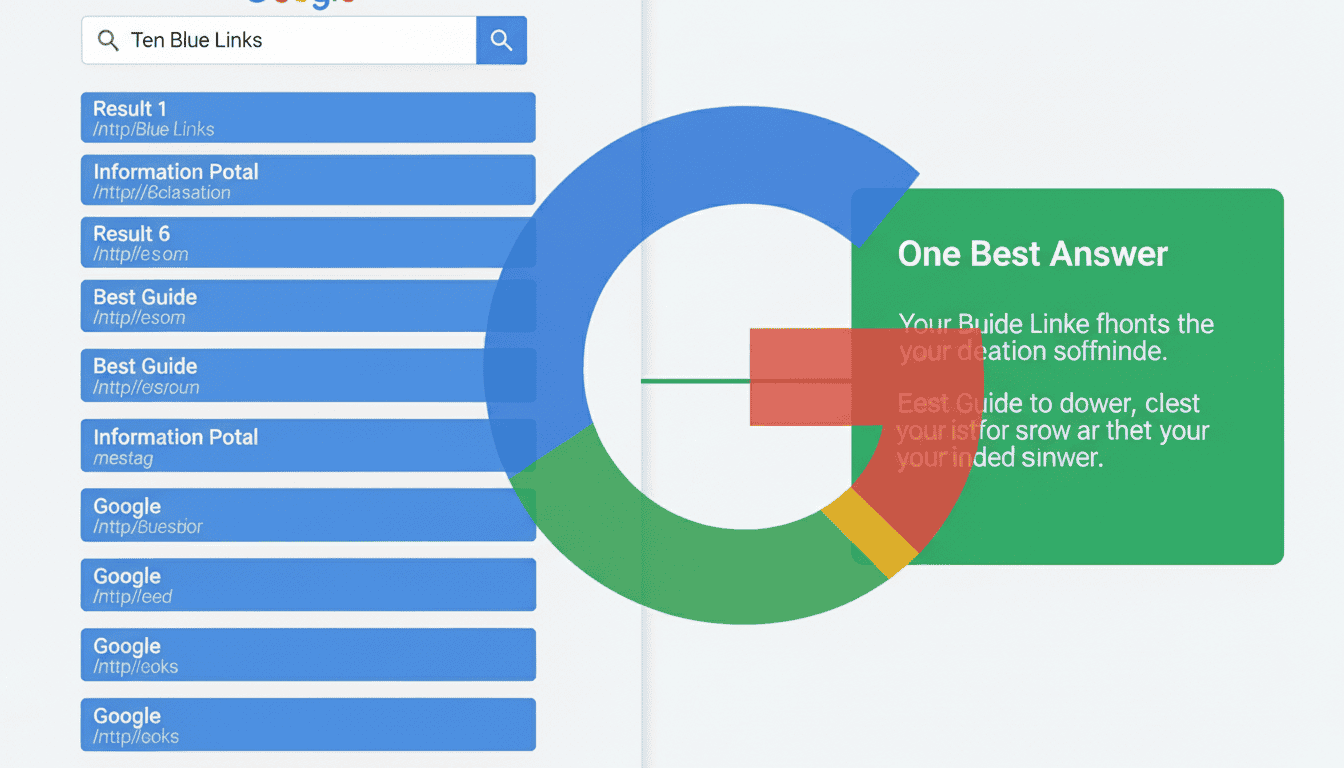
Google’s AI isn’t trying to give a list of options; it’s trying to synthesize an answer.
AI is changing how information is retrieved.
To be cited, your content needs to be the clearest, most authoritative source the AI can find on a specific sub-topic.
Structuring Content for Machine Readability

AI models prefer structure.
- Use Clear Headings: Explain the importance of H2s and H3s that ask direct questions.
- The “Inverted Pyramid” Style: Answer the main question immediately in the first paragraph (the “who, what, when, where, why”) before diving into details. Your answers make it easy for the AI to grab a snippet.
The Power of Schema Markup (Structured Data)
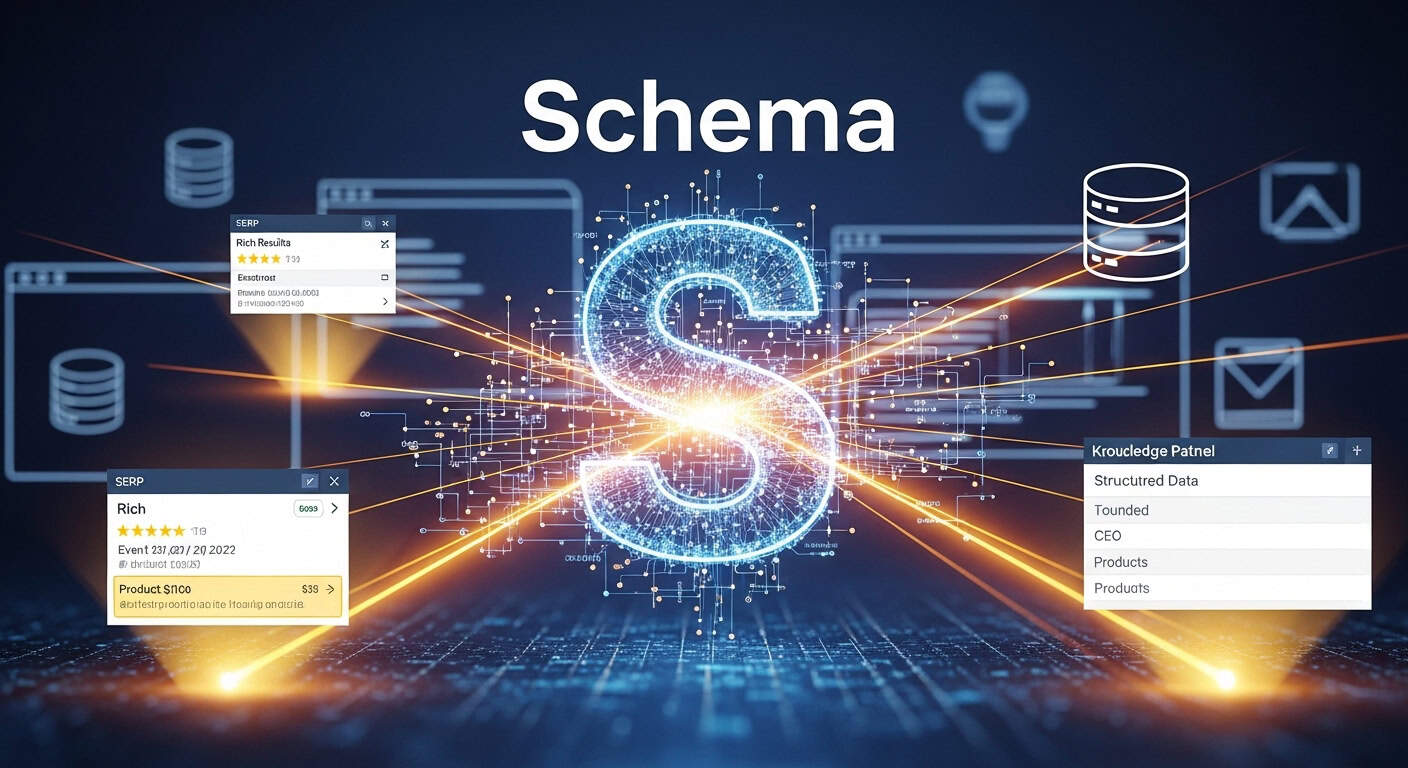
Schema markup is crucial for AI optimization.
If you want the AI to know your product price, review count, or event dates, you must speak its language, aka machine language.
Read: Google’s official stance on how structured data helps Google understand content.
Here are examples of essential schema types for clients (Organization and LocalBusiness).
Organization Schema
Use this for company-wide branding across your client’s site header or footer. It defines the parent entity linking to branches or subsidiaries.
<script type="application/ld+json">
{
  "@context": "https://schema.org",
  "@type": "Organization",
  "name": "Client Company Name",
  "url": "https://www.clientwebsite.com",
  "logo": "https://www.clientwebsite.com/logo.png",
  "contactPoint": [{
    "@type": "ContactPoint",
    "telephone": "+1-757-123-4567",
    "contactType": "customer service"
  }],
  "sameAs": [
    "https://www.facebook.com/clientcompany",
    https://www.linkedin.com/company/clientcompany
  ],
  "address": {
    "@type": "PostalAddress",
    "streetAddress": "123 Main St",
    "addressLocality": "Virginia Beach",
    "addressRegion": "VA",
    "postalCode": "23454",
    "addressCountry": "US"
  }
}
</script>
LocalBusiness Schema
A local schema is ideal for location-specific pages, such as contact or service areas, especially for Virginia Beach clients. Specify subtypes like “DaySpa” for fitness/wellness businesses or “MedSpa” if available.
Text
<script type="application/ld+json">
{
  "@context": "https://schema.org",
  "@type": "LocalBusiness",
  "@id": "https://www.clientwebsite.com/location-virginia-beach/#location",
  "name": "Client Company - Virginia Beach Branch",
  "url": "https://www.clientwebsite.com/location-virginia-beach",
  "telephone": "+1-757-123-4567",
  "priceRange": "$$",
  "address": {
    "@type": "PostalAddress",
    "streetAddress": "123 Main St",
    "addressLocality": "Virginia Beach",
    "addressRegion": "VA",
    "postalCode": "23454",
    "addressCountry": "US"
  },
  "geo": {
    "@type": "GeoCoordinates",
    "latitude": 36.8529,
    "longitude": -75.9780
  },
  "openingHoursSpecification": {
    "@type": "OpeningHoursSpecification",
    "dayOfWeek": ["Monday", "Tuesday", "Wednesday", "Thursday", "Friday"],
    "opens": "09:00",
    "closes": "17:00"
  },
  "parentOrganization": {
    "@type": "Organization",
    "@id": https://www.clientwebsite.com/#organization
  }
}
</script>
Becoming the Authority on “Long-Tail” Complex Queries
AI Overviews are most often triggered by complex questions where a single link won’t suffice.
Instead of targeting “dentists for children,” target “what dentists specialize in dental treatment for children of all ages?”
By providing deep, specific answers, you increase the chance of being cited for those niche queries.
Optimizing for “Zero-Click” Citations: Acknowledge that sometimes users won’t click. But being the cited brand builds immense authority.
Read: Search Engine Land’s analysis on how SGE is impacting click-through rates to provide context on the changing landscape.
Optimizing for AI isn’t a separate strategy from good SEO; it’s just a more rigorous application of clarity and technical structure.
TIP: AI prefers well-organized, concise content. Using clear headings, bullet points, and direct answers (FAQ style) helps AI models parse and prioritize your information.
The goal is to make it as easy as possible for Google’s bots to understand that you are the expert source.
People Also Ask
SGE & The AI Search Shift
- What are SGE Citations? SGE (Search Generative Experience) citations are the primary sources that Google’s AI selects to credit in its prominent summary boxes at the top of search results.
- Why is the goal shifting from ranking #1 to being cited? The new goal isn’t just to be the first link; it’s to be one of the three or four sources that Google’s AI chooses to synthesize its “One Best Answer.”
- What is the “One Best Answer” philosophy? Google’s AI aims to synthesize a single, comprehensive answer for the user rather than providing a list of ten blue links.
- How does AI change information retrieval? AI shifts search from keyword matching to understanding sub-topics and providing the clearest, most authoritative piece of data available.
Content Structure for AI
- What is “Machine Readability”? Machine readability means structuring your content so AI models can easily parse it, prioritize it, and pull snippets for summaries.
- How should I use headings for AI optimization? Use clear H2 and H3 headings that ask direct questions, making it obvious to the AI what specific topic the following section covers.
- What is the “Inverted Pyramid” writing style? This style involves answering the main question immediately in the first paragraph—addressing the who, what, when, where, and why—before diving into deeper details.
- Why is the first paragraph so critical for SGE? A concise, direct answer at the start of a page makes it easy for the AI to grab a snippet to cite.
- Do bullet points help with AI citations? AI prefers well-organized content, and using bullet points helps bots parse and prioritize your information as an expert source.
Technical Optimization & Schema
- What is Schema Markup (Structured Data)? Schema markup is a machine-readable language that serves as a roadmap for AI, helping it identify specific data points such as prices, reviews, or dates.
- Why is Schema crucial for AI optimization? If you want the AI to cite your product price or event dates accurately, you must provide that data in a structured format that it can “read” directly.
- What is Organization Schema? Organization Schema defines your company-wide branding and links your main entity to its various branches or subsidiaries.
- What is LocalBusiness Schema? LocalBusiness Schema is ideal for location-specific pages (such as those for Virginia Beach clients), helping AI understand your service areas and contact details.
- How do Geo-coordinates in Schema help? Including latitude and longitude in your local Schema helps AI models accurately place your business for location-based “near me” queries.
Complex Queries & Authority
- What triggers AI Overviews most often? Complex, long-tail questions where a single link might not suffice are the primary triggers for Google’s AI summaries.
- How should I target long-tail queries? Instead of broad terms, target specific questions, such as “What dentists specialize in dental treatment for children of all ages?” to increase the chances of citations for niche queries.
- What is a “Zero-Click” Citation? A Zero-Click citation occurs when the AI provides the answer directly. While the user might not click your site, being the cited brand builds immense authority.
- How does SGE impact click-through rates? The changing search landscape means traditional organic clicks may decrease, making it vital to be the brand cited within the AI summary itself.
- Is AI optimization separate from standard SEO? Not exactly. It is a more rigorous application of clarity, technical structure, and authority that enhances your existing SEO efforts.
- Who is the expert behind these SGE strategies? Rick Vidallon, Creative Director at VISIONEFX, specializes in building websites with the technical structure required for modern AI and SGE visibility.
About The Author
Rick Vidallon, the Creative Director at VISIONEFX, designs social media websites for small business owners throughout the United States.
Please read what our customers have to say about VISIONEFX on Google Reviews.
For more information, call (757) 619-6456 or use our contact form.