

How AI Citations Actually Work: The Three Gates Between Your Website and ChatGPT’s Answer
The short answer: AI citations begin with SEO, because every major answer engine — ChatGPT, Gemini, Perplexity, Copilot, Claude — is a retrieval system bolted onto a search index. But AI visibility is won at three gates: getting indexed (especially in Bing), getting extracted (structure and answer-first writing), and getting corroborated (presence on the third-party platforms AI already trusts). Clear all three, and you become citable. Miss the first and the other two never get the chance to matter.
That’s the whole thesis. The rest of this article is the evidence — and the checklist.
Notice what we just did, by the way. Roughly 44 percent of ChatGPT’s citations come from the first third of a page. Bury your answer under 600 words of wind-up,p and you forfeit citations you’d otherwise earn. So we led with ours.
AI Citation vs. AI Mention: They’re Not the Same Thing
Most articles on this topic blur two very different events. Let’s separate them, because each one is influenced differently.
An AI mention is your brand named inside a generated answer. Mentions can come from the model’s training data — its long-term memory, built from years of consistent presence across the open web. This pathway is slow. It only updates when a new model version ships, and no press release speeds that up.
An AI citation is a linked source attached to a generated answer. Citations come from live retrieval: the engine searches the web in real time, pulls candidate pages, and synthesizes an answer from the ones that respond most clearly. This pathway is fast. It can move in weeks — sometimes days.
ChatGPT runs on a two-layer system: a static base of training data plus selective live retrieval layered on top. Your instincts about popularity, authority, and repetition mostly govern the slow layer. Indexation and structure govern the fast one — and the fast one is where citations live. That’s where a business can move the needle this quarter, so this article focuses there.
Gate 1: Get Indexed — AI Search Runs on Search Indexes
Answer engines do not crawl the entire web from scratch every time you ask a question. They retrieve candidate pages — usually from the same underlying indexes Google and Bing already maintain — then synthesize from whichever pages answer most directly. No index, no retrieval. No retrieval, no citation.
Here’s the part almost everyone misses: ChatGPT and Microsoft Copilot ride on Bing. Averi.ai analysis found that roughly 87 percent of ChatGPT’s citations trace back to Bing’s top-ranking results. Copilot has two gates of its own — your page must be indexed and ranking in Bing, and the content must be structured cleanly enough for the model to lift an answer from it. Microsoft even shipped an AI Performance dashboard inside Bing Webmaster Tools in February 2026 that shows which of your pages Copilot cites and which queries triggered them.
Google Gemini and AI Overviews ride Google’s index.
Perplexity runs a genuine real-time search on every single query, pulling from multiple search APIs plus its own crawler, with no knowledge cutoff — fresh content can be cited within hours of being indexed.
The upshot: the most neglected lever in our entire industry right now is Bing. Everyone optimizes for Google and calls it a day. Run site:yourdomain.com in Bing this week. If coverage is thin, ChatGPT isn’t ignoring you — it literally cannot see you.
Your Gate 1 checklist:
- Verify your site in Bing Webmaster Tools and submit your XML sitemap. Ten minutes, permanently underrated.
- Deploy IndexNow so new and updated pages ping Bing instantly instead of waiting on a crawl cycle.
- Audit robots.txt for AI crawlers. Allow GPTBot, OAI-SearchBot, PerplexityBot, ClaudeBot, and Google-Extended unless you have a specific IP reason to block them. Blocking them removes you from both pathways.
- Server-side render your critical text. AI crawlers prioritize speed over executing JavaScript. If your FAQ or pricing table is injected client-side, a bot may see an empty page. The text payload belongs in the raw HTML.
- Add an llms.txt file. It’s an emerging standard with uneven adoption, but it costs almost nothing and states plainly what your site is about. We now include one in every technical rebuild we ship for clients.
Gate 2: Get Extracted — Structure Decides Who Gets Quoted
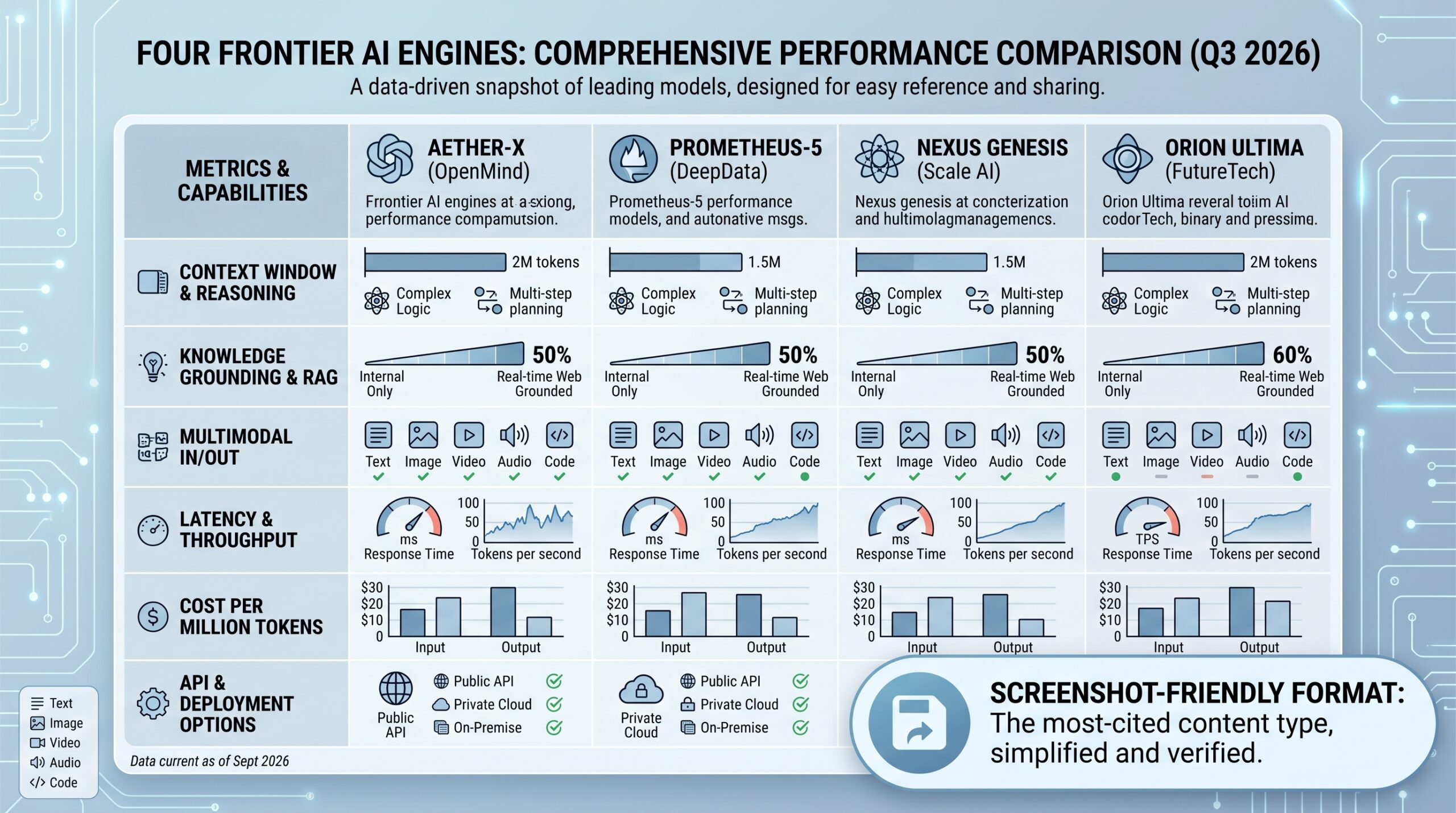
Getting retrieved is not the same as getting cited. Only about 15 percent of the pages ChatGPT retrieves ever appear in its final answers. Ranking puts you in the candidate pool. Structure decides who gets quoted.
The data on what gets extracted is remarkably consistent. One 2026 study of content structure found numbered lists cited at roughly 1.8 times the rate of plain prose, and comparison tables at about 2.5 times. Answer-first placement matters for the reason we opened with: nearly half of ChatGPT’s citations come from the first third of a page.
Sentence-level style matters too.o
Declarative, objective sentences lower the model’s uncertainty — its “perplexity” — which raises the odds your passage gets selected. Hedges like “we believe” and “in our opinion” work against you. Write your factual claims the way an encyclopedia would, and let your personality live in your voice and examples rather than in qualifiers.
What this looks like in practice:
- Open every section with the answer, then support it. Question-shaped H2’s help the engine match your passage to the query.
- One idea per passage. These systems retrieve chunks, not whole pages. A paragraph that makes three points cleanly loses to three paragraphs that each make one.
- Anchor claims to numbers and named sources. “This works well” gets skipped. “This raised citation rates 2.5x in a 2026 study” gets lifted.
- Mark it up. Article and FAQPage schema act as the API between your content and the machines reading it.
- Keep paragraphs short—two to four sentences. You’re writing for a parser and a human at the same time; both prefer it.
Gate 3: Get Corroborated — Where You Appear Beats How Often
Here’s where the conventional wisdom needs its sharpest correction. The number of times your information appears on the web matters far less than *where* it appears — because AI’s trust circle is brutally concentrated.
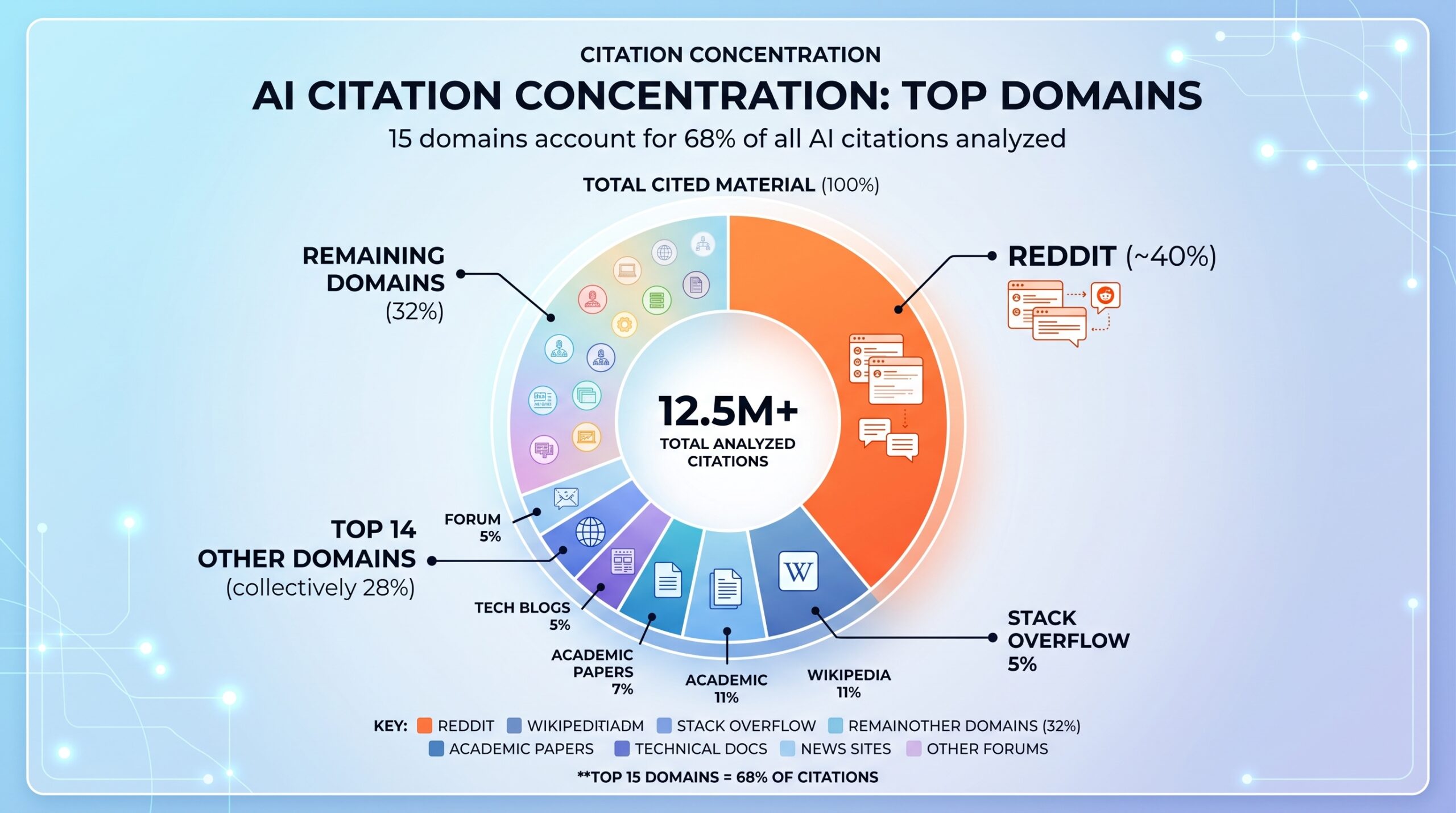
The AI Platform Citation Source Index 2026, which synthesized six independent studies covering more than 680 million citations, found that just fifteen domains capture about 68 percent of every citation the major AI engines produce — and Reddit alone accounts for roughly 40 percent of aggregate citation frequency.
The top ten reads like a media diet: Reddit, Wikipedia, YouTube, LinkedIn, Forbes, Amazon, Business Insider, TechRadar, Reuters, and The New York Times. A separate Perplexity AI analysis of 30 million cited sources confirmed the pattern and added a wrinkle: review platforms like Yelp and G2 surface heavily in recommendation-style queries.
One 2026 breakdown put nearly half of ChatGPT’s citations on Wikipedia, while Perplexity leaned just as heavily on Reddit-style community discussion.
The translation for your marketing plan: on-site SEO makes you retrievable; third-party presence makes you cited. That makes digital PR a core GEO tactic, not a nice-to-have — earned placements in listicles and roundups, active review profiles, industry directories, genuinely useful participation on Reddit and LinkedIn, and video on YouTube. For local businesses, the same logic applies at neighborhood scale: Bing Places, Google Business Profile, and consistent name-address-phone data across directories show search engines who you are.

One Label, Different Engines
“AI search” is not one channel, and treating it as one is like running identical campaigns on LinkedIn and TikTok. An analysis of 680 million citations found only 11 percent of domains get cited by both ChatGPT and Perplexity — the platforms run on fundamentally different citation logic.
| Engine | Retrieval backbone | *Citation tilt | Freshness bias | Your first move |
|---|---|---|---|---|
| ChatGPT + Copilot | Bing’s index, plus OpenAI’s own crawling | Wikipedia, editorial media, established brands | Moderate | Bing Webmaster Tools + IndexNow |
| Gemini + Google AI Overviews | Google’s index | Google-ecosystem sources, platforms like Facebook and Yelp | Moderate | Classic Google SEO + schema markup |
| Perplexity | Real-time search on every query; multiple APIs + own crawler | Reddit, community threads, primary sources | Strong — 82% of cited content was under 30 days old in one 2026 analysis | Publish fresh, allow PerplexityBot |
| Claude, Grok, Meta AI | Live web retrieval on their own or partner indexes | Same concentrated trust circle | Varies | The same three gates apply |
Perplexity’s recency bias deserves its own sentence: a blog post from six months ago consistently loses to a fresh piece on the same topic. If Perplexity matters to your audience, publishing cadence is a ranking factor.
How to Measure AI Visibility
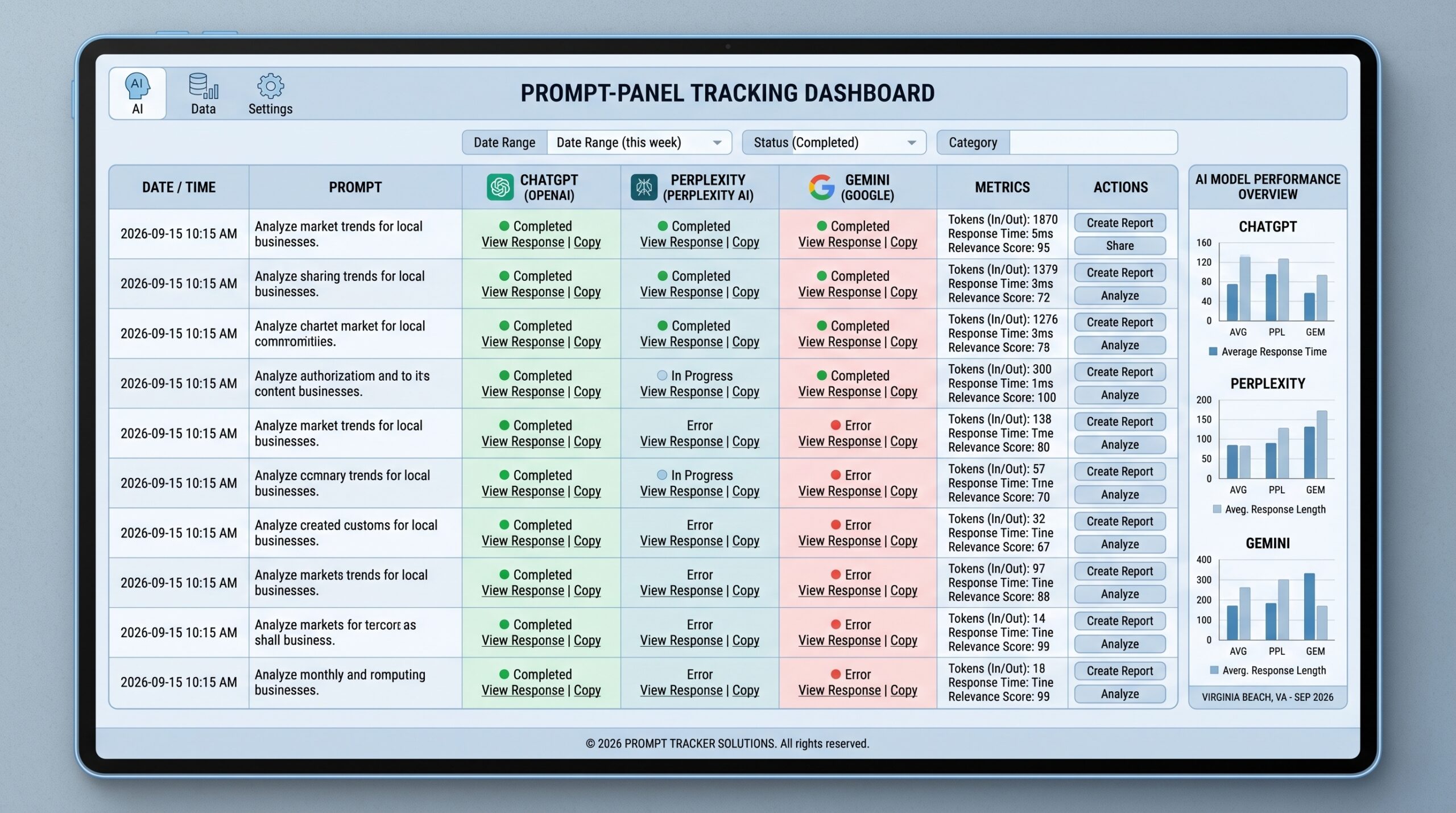
There is no Search Console for AI citations — Copilot’s new Bing dashboard is the first crack in that wall. The working practice across the industry is prompt-panel monitoring: build a fixed set of prompts that mirror what your real buyers actually ask, run them on a schedule across ChatGPT, Perplexity, and Gemini, and log which sources each engine cites.
We practice what we’re preaching here. Because no first-party “popular searches” API exists for any of these platforms, we built an internal tracker that runs scheduled prompt panels against the Perplexity, OpenAI, and Gemini APIs every week across our client roster — and we watch mentions and citations move as the three gates get fixed. You don’t need custom software to start, though. Three priority prompts, three engines, one spreadsheet, once a week. Log the date, the platform, whether you were cited, and who was cited instead. Who-was-cited-instead is where your Gate 3 target list comes from.
The Bottom Line
Your instincts about optimization, authority, and frequency aren’t wrong — they’re just incomplete without the mechanism. AI answer engines are retrieval systems bolted onto search indexes, which means AI visibility is earned at three gates: get indexed where the engines actually look (that means Bing, not just Google), get extracted by structuring content the way machines quote it, and get corroborated on the small circle of third-party platforms AI already trusts.
We’ve been doing search visibility since 2000 — long enough to watch AltaVista, directories, PageRank, and featured snippets each rewrite the rules. This rewrite is bigger, and it’s measurable. If you want to know whether the AI engines can even see your site — let alone cite it request a GEO visibility audit, and we’ll show you exactly where you stand.
FAQ
Should I block GPTBot and other AI crawlers?
For most businesses, no. Blocking AI crawlers removes you from both the training-data pathway and, in some cases, live retrieval — meaning models neither remember you nor find you. Publishers protecting paid IP have a case for blocking; brands that want to be recommended generally don’t.
Is GEO different from SEO?
GEO is an extension of SEO, not a replacement. Traditional SEO makes your content retrievable by getting it indexed and ranking. GEO adds two more layers: structuring content so AI systems extract and quote it, and building corroboration on the third-party platforms AI engines trust most.
Do I really need to be on Reddit?
You need presence where AI engines look, and Reddit accounts for roughly 40 percent of aggregate AI citations — more than any other single domain. That doesn’t mean spamming subreddits; it means genuine, useful participation where your customers already ask questions, plus earned mentions in the communities and listicles AI cites.
How long until AI cites new content?
It depends on the engine. Perplexity searches the web in real time and shows a strong freshness bias so that it can cite indexed content within hours or days. ChatGPT and Copilot depend on Bing indexation, which IndexNow accelerates. Training-data mentions are the slow lane — they update only when new model versions ship.
Reference:
Citation Tilt – Parts of a Citation: celt.cui.edu/tilt/module3/citing2.htm